Durlevel Nutrition LLC
Mobile/Wechat/Whatsapp: +86-18691801918
Email:info@durlevel.com
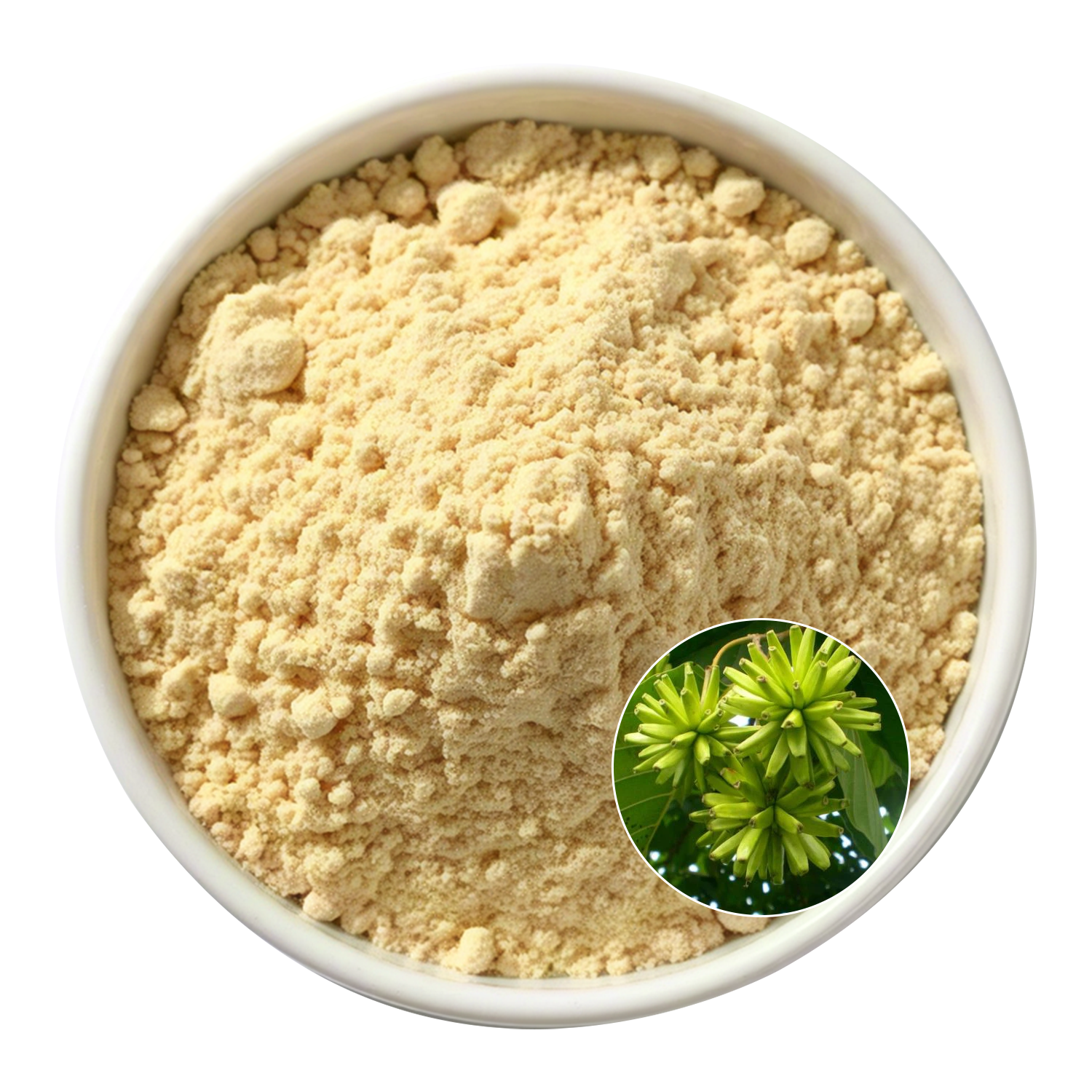
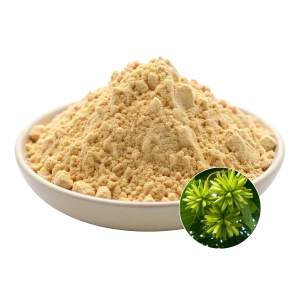
Camptothecin is a pentacyclic quinoline alkaloid derived from the Chinese tree Camptotheca acuminata, renowned for its potent topoisomerase I inhibitory activity. By stabilizing the covalent DNA-topoisomerase I complex, camptothecin disrupts cancer cell replication and triggers apoptosis, particularly in S-phase. Its mechanism involves blocking the relegation step of topoisomerase I, leading to lethal DNA strand breaks during replication. Preclinical studies highlight activity against colorectal, ovarian, and small-cell lung cancers. However, poor water solubility and significant toxicity limited its direct clinical use. Derivatives like irinotecan and topotecan were developed to improve pharmacokinetics, with irinotecan approved for metastatic colorectal cancer. Safety data reveal dose-dependent myelosuppression, diarrhea, and hepatotoxicity. Camptothecin is classified as a hazardous drug due to genotoxic potential, requiring PPE during handling. Current applications focus on research settings, exploring synergies with chemotherapeutics and nanodelivery systems to enhance bioavailability. Investigators are also probing resistance mechanisms, such as topoisomerase I mutations or efflux transporter upregulation, to refine treatment strategies. While camptothecin itself remains a research tool, its derivatives represent a cornerstone of modern oncology, underscoring the importance of topoisomerase I inhibition in cancer therapy.
FAQ
相关推荐

info@durlevel.com
Mobile: 86-18691801918
E&T Developing Zone,Xi'an China
 Online Service
