
Durlevel Nutrition LLC
Mobile/Wechat/Whatsapp: +86-18691801918
Email:info@durlevel.com
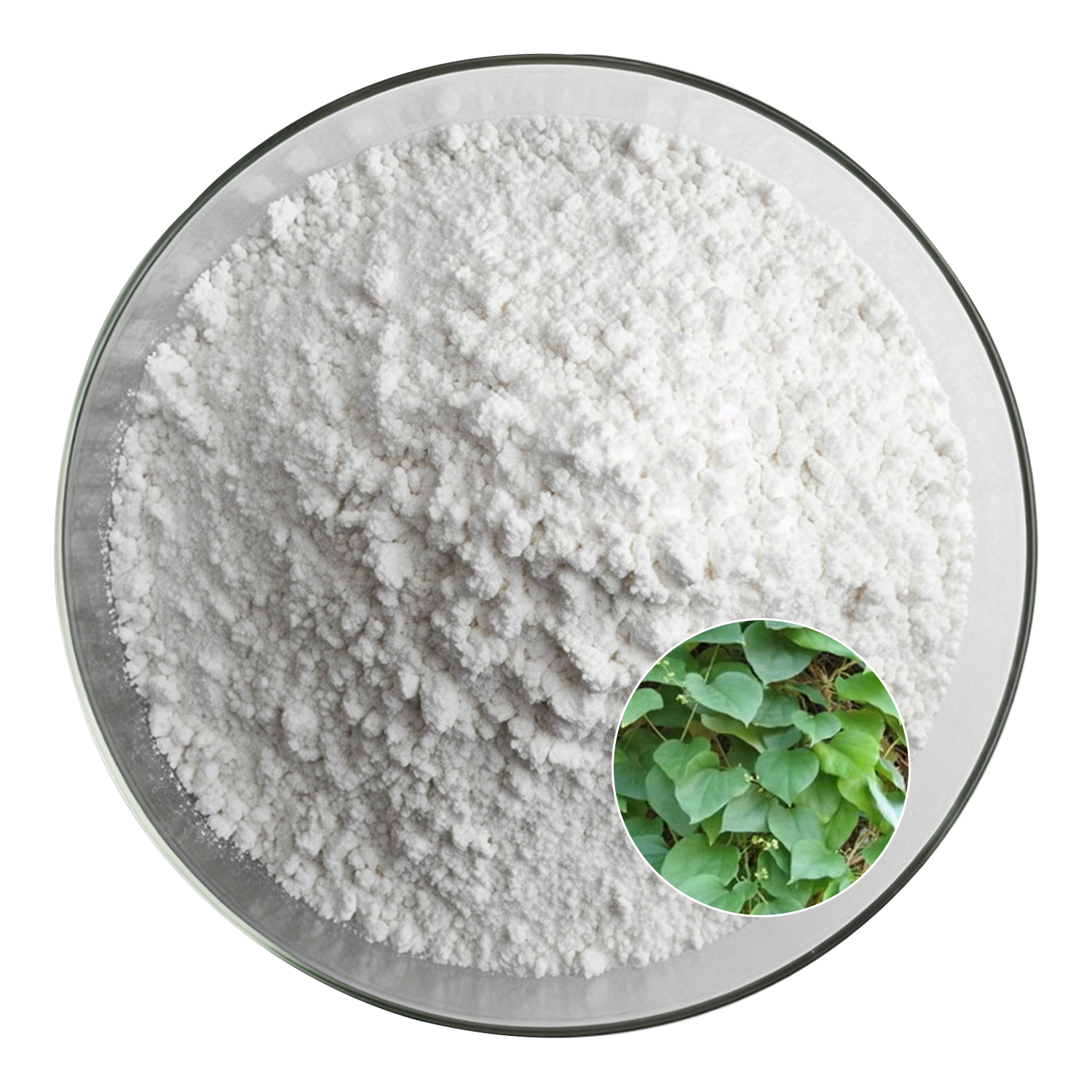
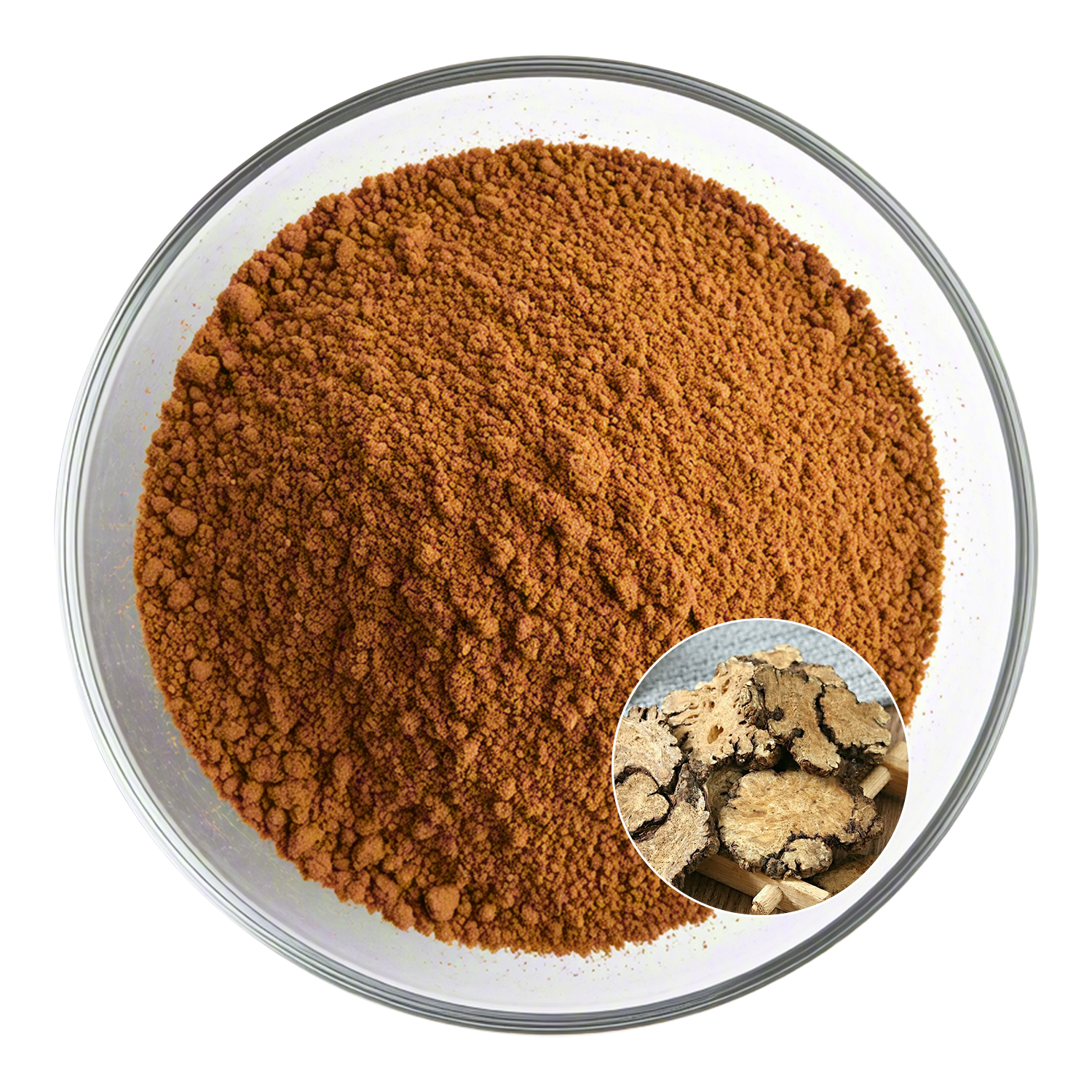
Sinomenine Hydrochloride is a bioactive alkaloid derived from the roots of Sinomenium acutum (Qingfeng Teng), traditionally used in Chinese medicine for rheumatism and pain. Pharmacological studies reveal its dual mechanisms: NF-κB pathway inhibition to suppress inflammation and μ-opioid receptor activation for analgesia. Research highlights its potential in immune modulation by reducing macrophage phagocytosis and cytokine release, linked to conditions like rheumatoid arthritis. In preclinical models, Sinomenine Hydrochloride demonstrates dose-dependent analgesic effects (ED50 = 154.9 mg/kg oral in mice) and anti-inflammatory activity at 60 mg/kg in rats. It also exhibits hypotensive properties via central nervous system modulation and adrenergic blockade, though clinical relevance remains under investigation. Key trials show comparable efficacy to methotrexate in rheumatoid arthritis with fewer side effects. Safety profiles indicate low acute toxicity (LD50 >4.8 g/kg subcutaneous in mice) and no severe adverse events in vitro. Current applications are limited to research use, with ongoing studies exploring its synergy with chemotherapeutics and nanodelivery systems. As a natural histamine liberator, Sinomenine Hydrochloride may influence allergic responses, but its therapeutic index remains to be fully elucidated. Investigators are evaluating its role in neuropathic pain and autoimmune diseases, leveraging its ability to downregulate pro-inflammatory genes (e.g., IL-1β, TNF-α) without immunosuppressive risks.
FAQ
相关推荐

info@durlevel.com
Mobile: 86-18691801918
E&T Developing Zone,Xi'an China
 Online Service
